
: Event-based visual effects for more expressive, Joyful remote conversations
Face-Tracking Video Chat Feature Exploration
2026 academic project
My role
painpoints
Product Strategy 1
Product Strategy 2
Brief Context
Team
Tool
Academic
Advisor
UX Design & Technical Development
Even with partners or close friends, not everyone feels comfortable showing their raw face on video, even when they want a stronger sense of connection.
This feature study explores how face-tracking, emoji-based characters can support expressive and playful communication while preserving a sense of emotional safety. By mapping real-time facial expressions to animated characters and event-based visual effects, the interaction allows users to share emotions without fully exposing themselves.
The goal was to create a space where people feel comfortable, while still connecting through active, emotionally rich interactions, focusing on the essence of video chat rather than realistic self-presentation.
Concept Modeling (100%)
User Interview (100%)
Technical development (100%)
Character / Emoji Design (100%)
Interface Design (100%)
Interaction Design (100%)
UX Strategy (100%)
Solo Project
Figma, Javascript, P5js
Daniel Lefcourt @ RISD
In this self-initiated two-week project, I owned full process from defining the concept and UX strategy to building interactive Figma prototyping, and implement core interaction logic through hands-on coding
Duration
Dec 2025 (2 weeks)

How might we create joyful moments of connection through emotion-based interactions, while maintaining a sense of safety?

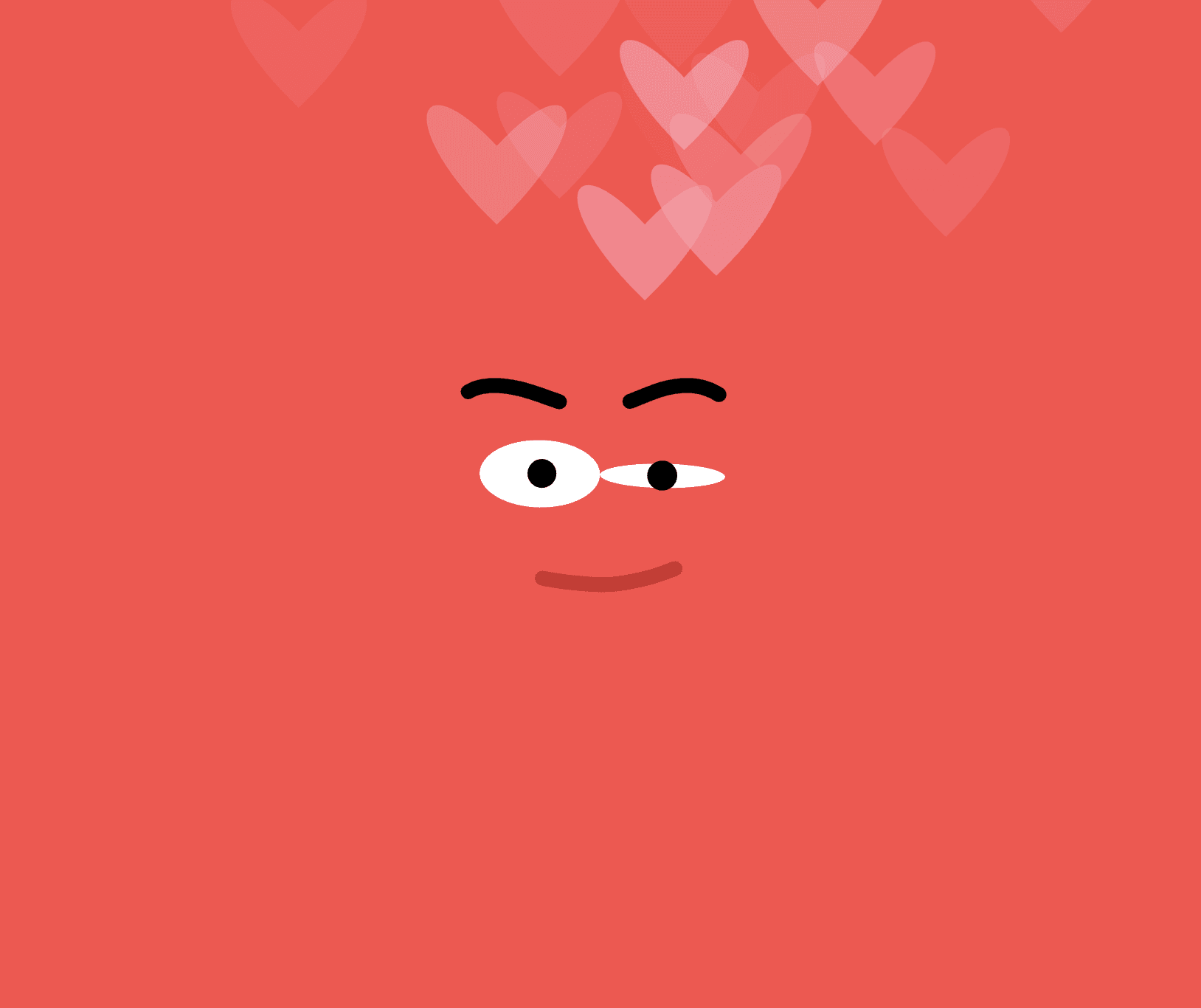
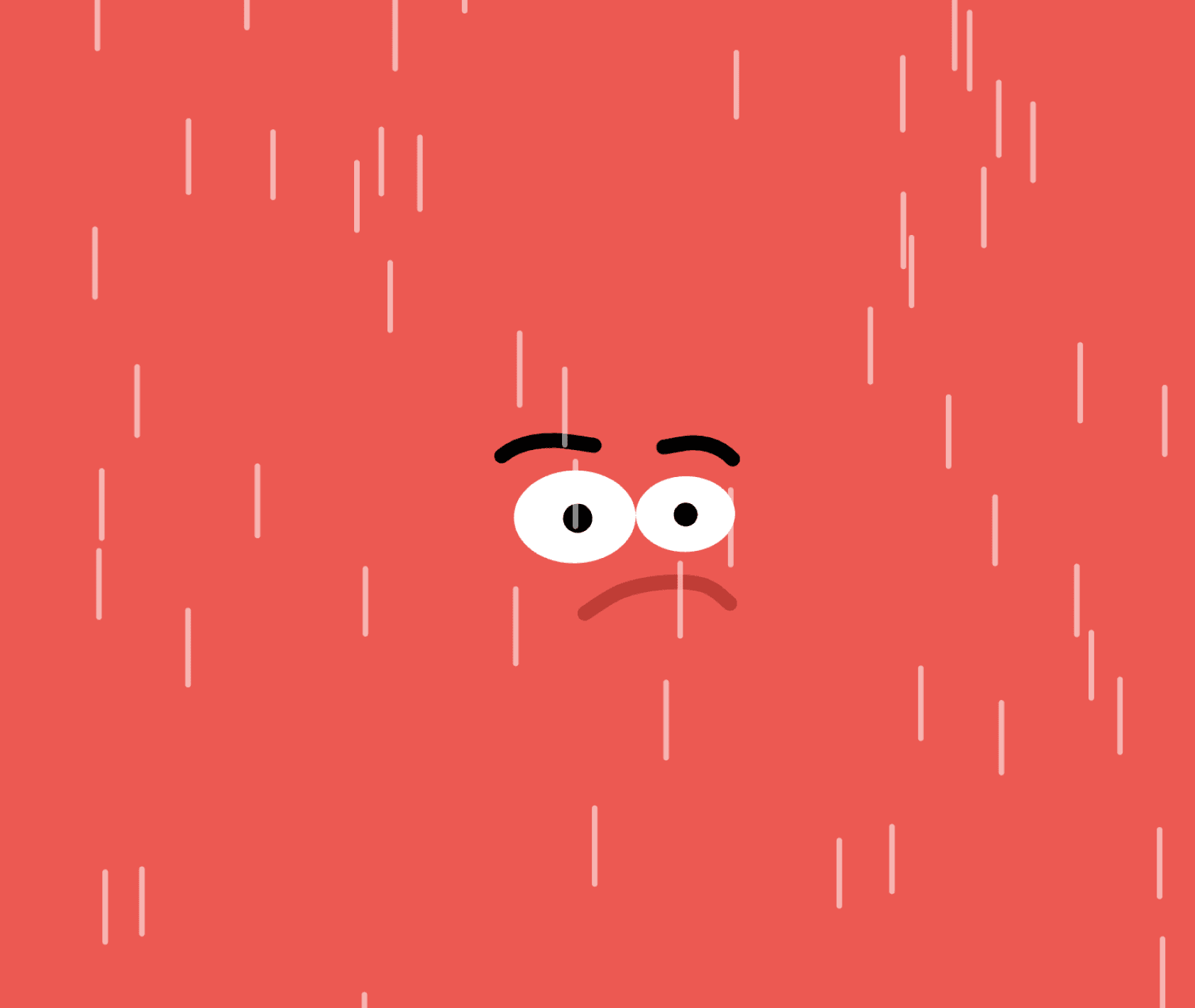
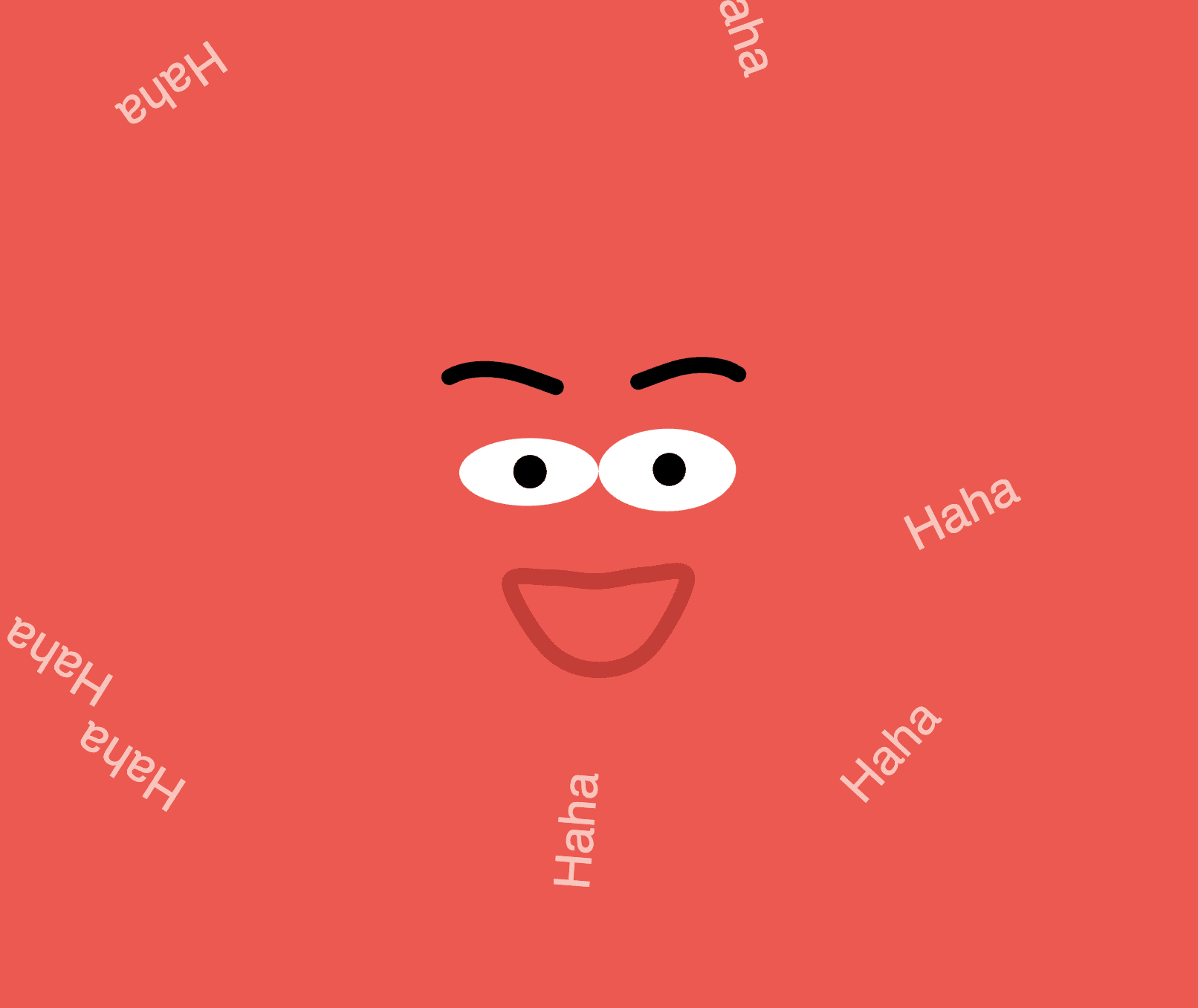
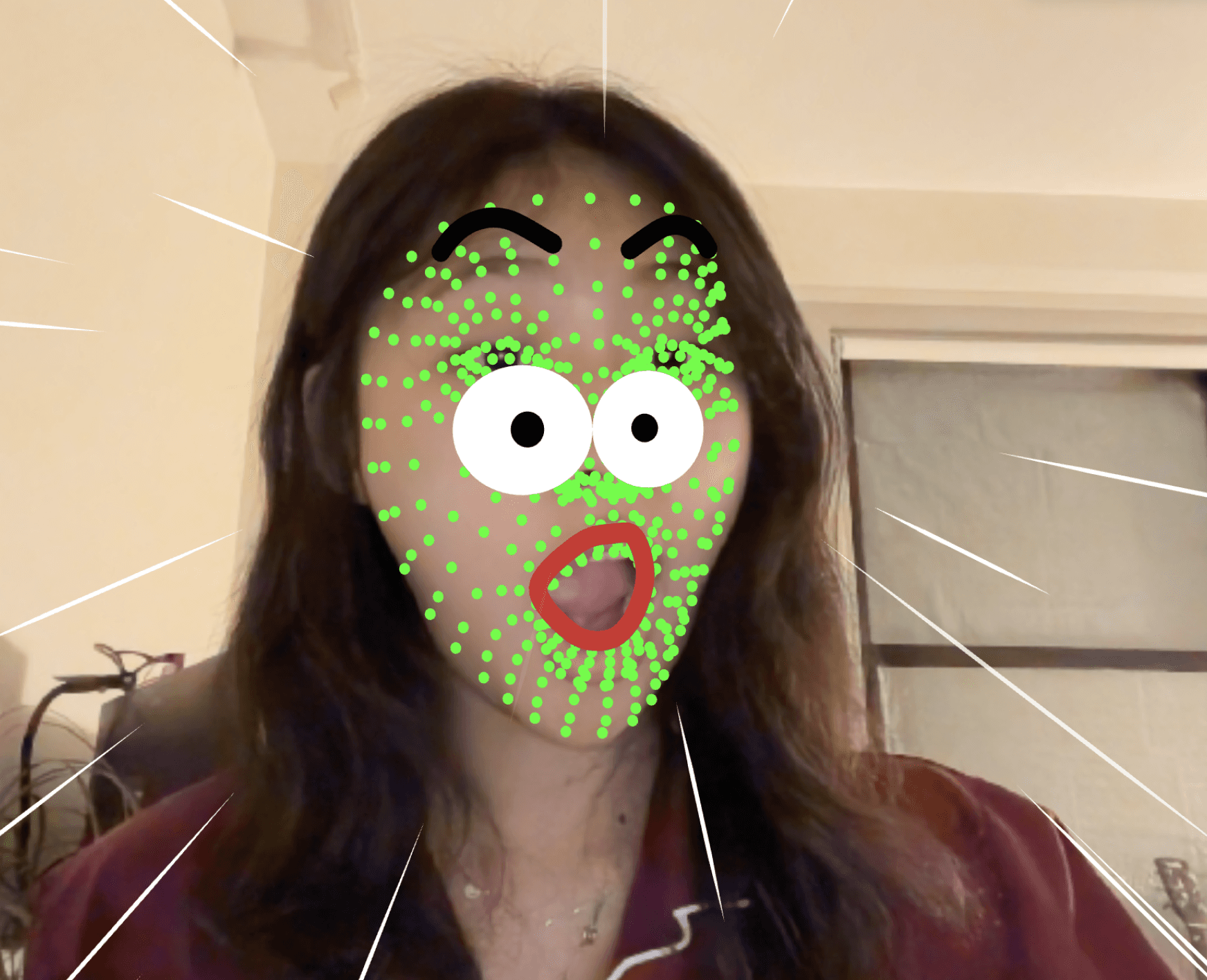
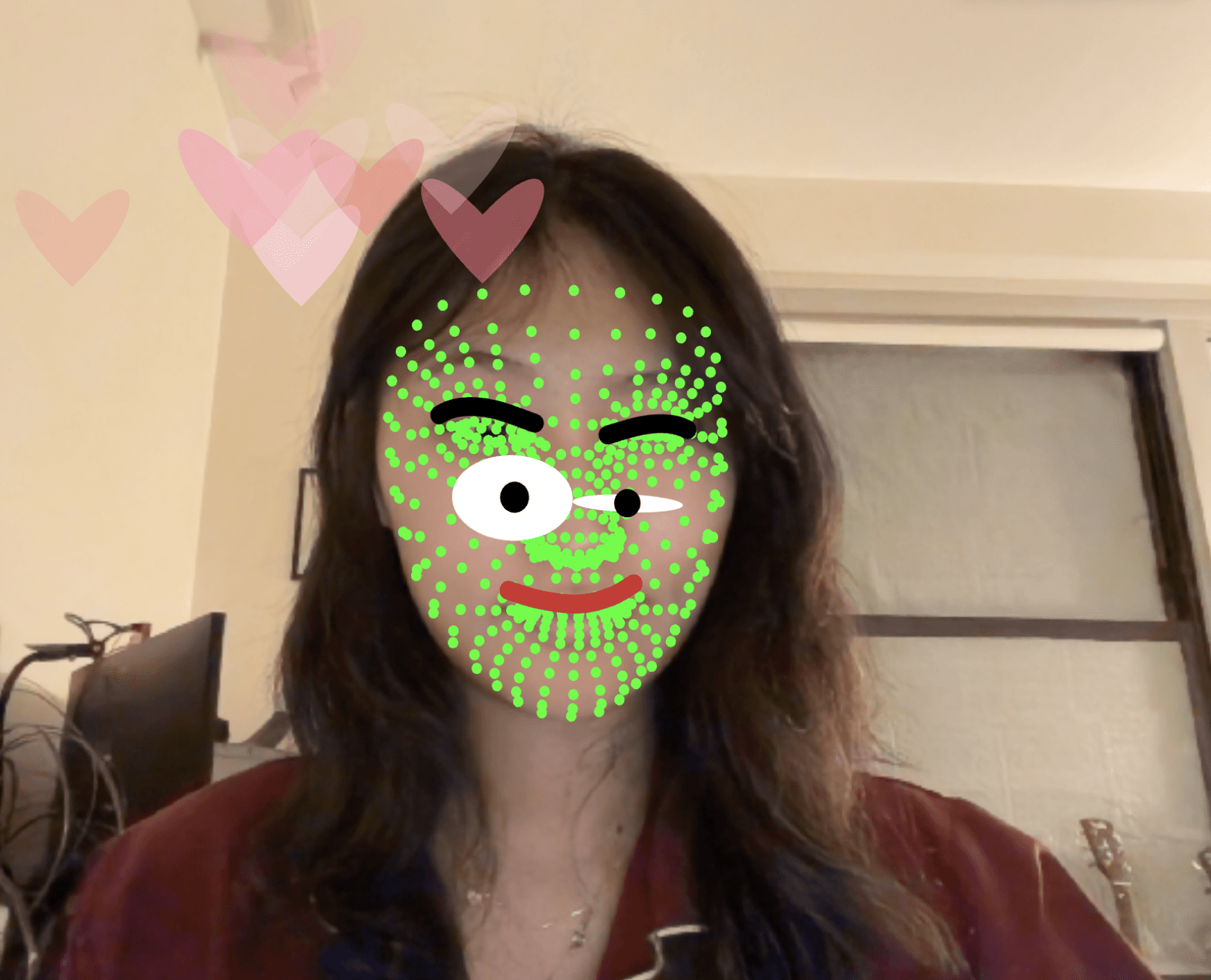
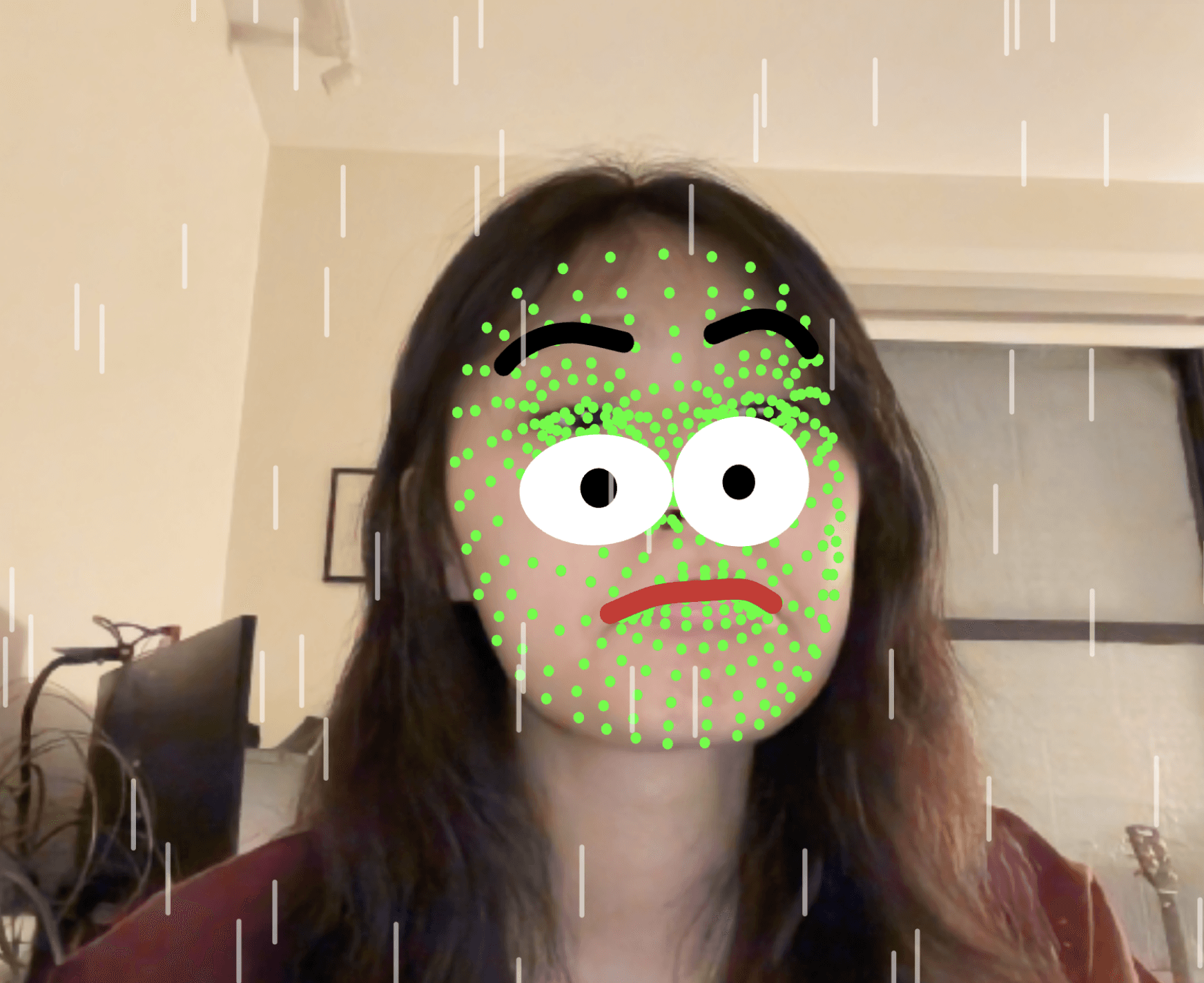
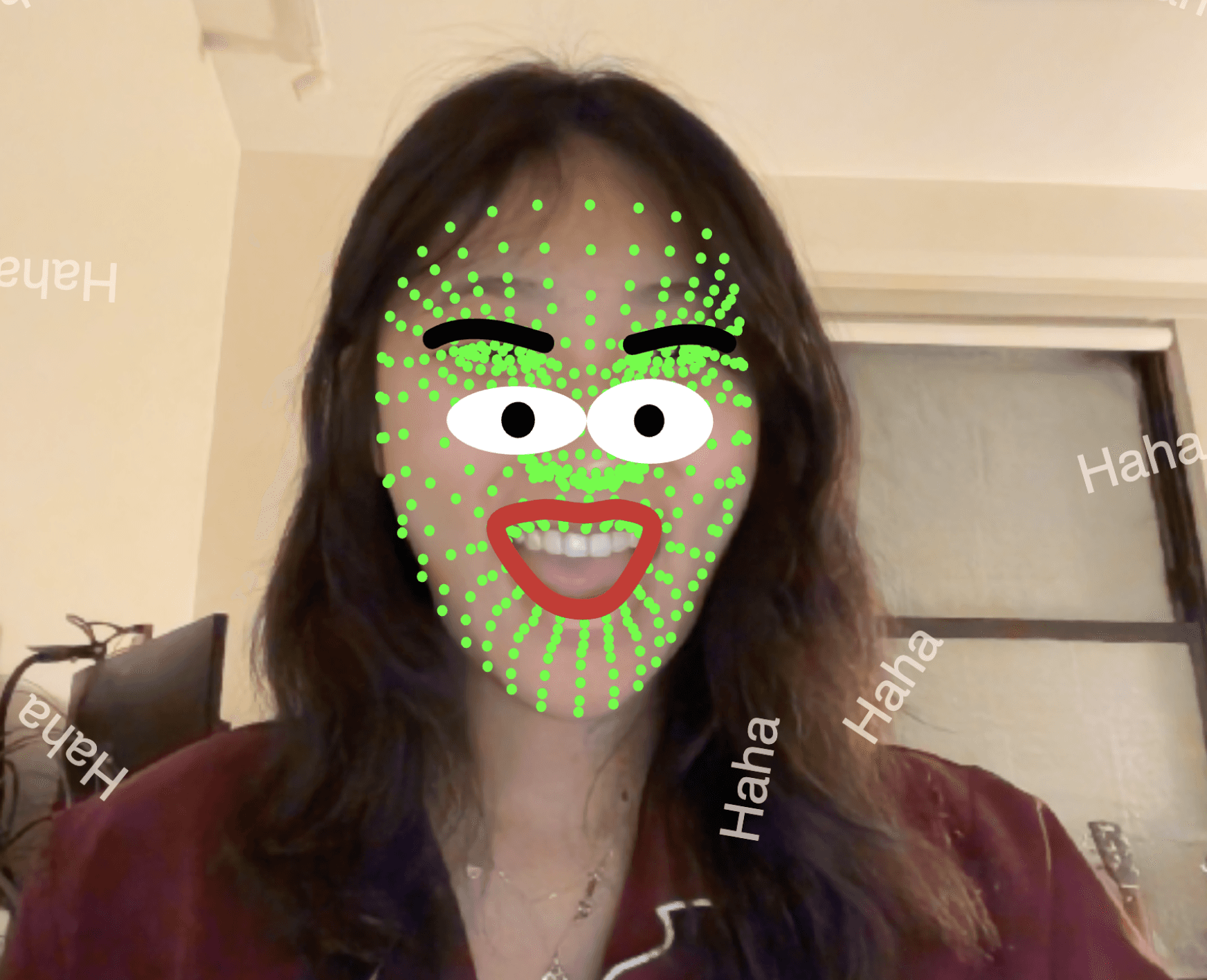
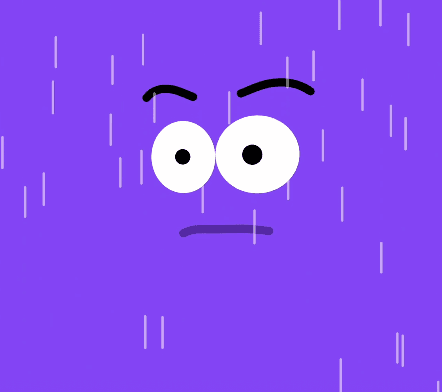
Emoji tracking my real-time facial movements
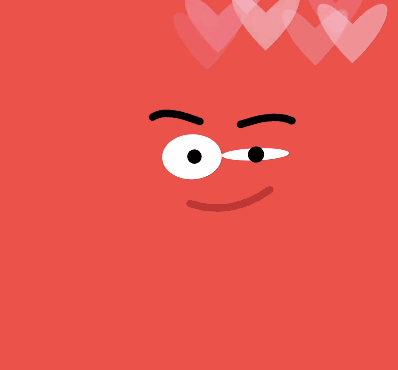
Event #1 - Surprise
Event #2 - Wink
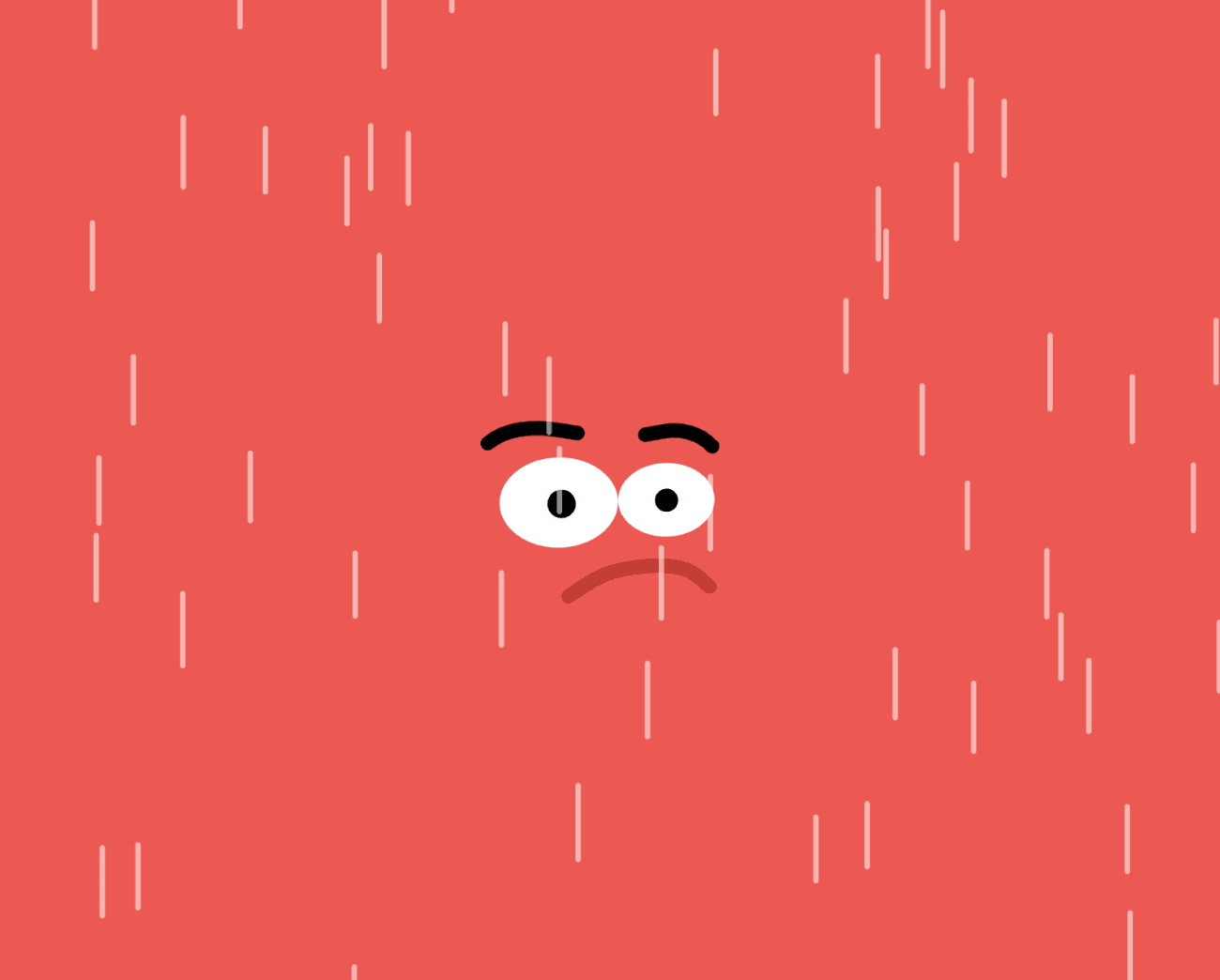
Event #3 - Frown
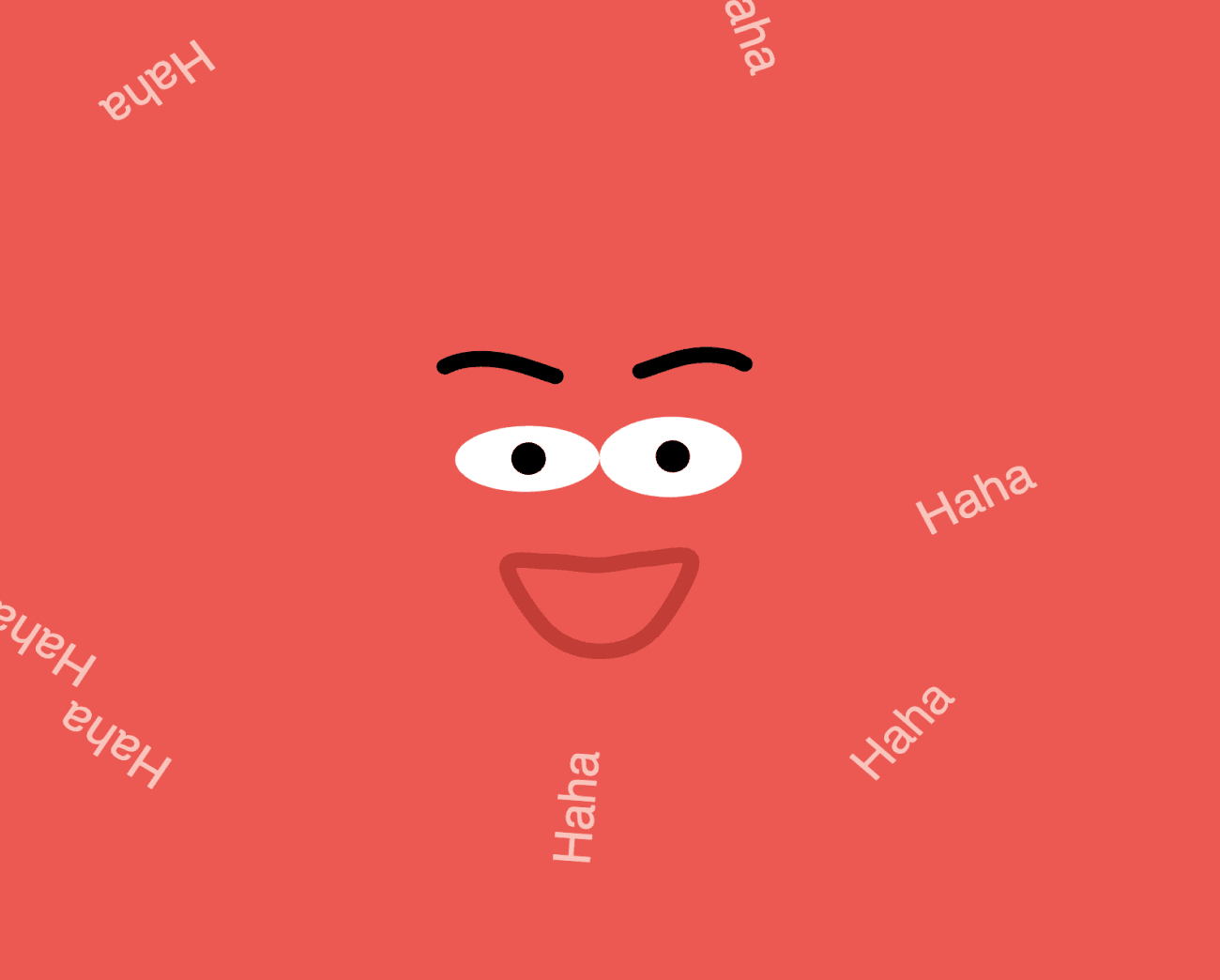
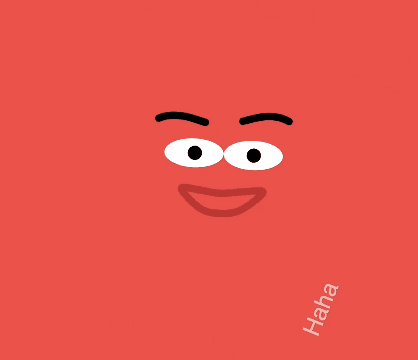
Event #4 - Laugh
“I want to show my face and talk to my boyfriend on video calls,
but not quite comfortable yet. I end up showing only half of my face,
and it sometimes makes the call feel less immersive.”
“I think video chat could be so much fun, but among guys,
we don’t usually sit there looking directly at each other’s faces. Suggesting that kind of interaction just feels awkward.”
Interviewee 1
Interviewee 2
Amplifying emotional signals by turning facial expressions into event-based effects
Capture / record playful moments in the shared gallery in the chat, making them intentionally shareable
Facial expressions activate event-based visual effects, amplifying emotional moments during conversation. This transforms small, fleeting expressions into shared visual experiences, making remote interactions feel more expressive and emotionally connected.
Playful moments naturally emerge during emoji-based conversations.
Instead of being captured privately or after the fact, this design allows moments to be recorded directly within the chat, making archiving an intentional, visible part of the interaction and turning those moments into shared memories that also can be revisited later.
Designed an emoji-based interaction system
that tracks real facial movements
This system focuses on facial expressions themselves, rather than appearance,
not how we look, not whether we’re wearing makeup, and not how camera-ready we feel.
By translating real-time facial movements into an emoji-based character, it reduces the emotional pressure of being on camera, while still allowing users to express genuine emotions in a playful way.
Host opened chat
Screenshot
Recording
Default
Recording
Open bottom sheet to invite friend
Shared Gallery
Capture
Record
Chat history
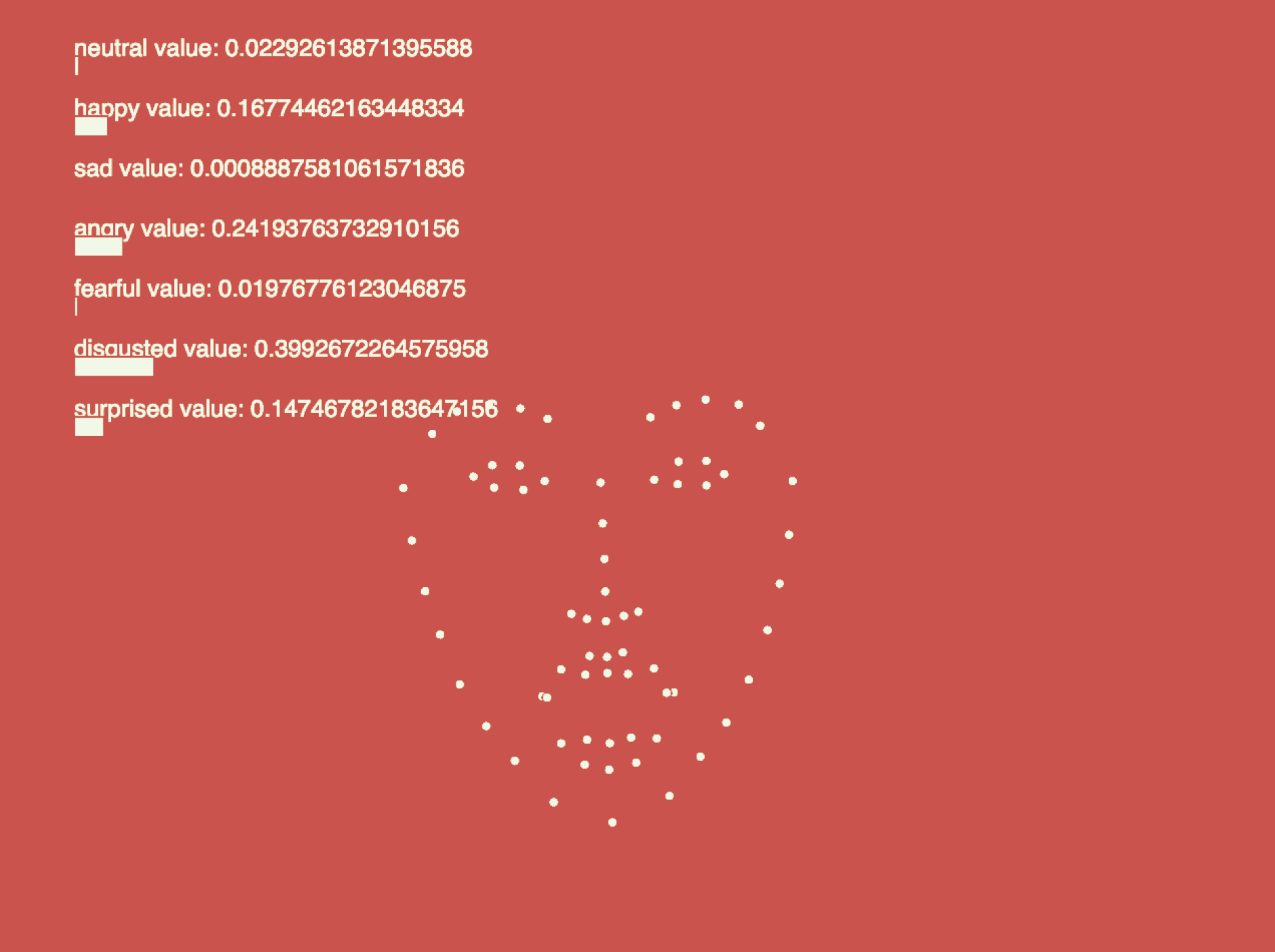
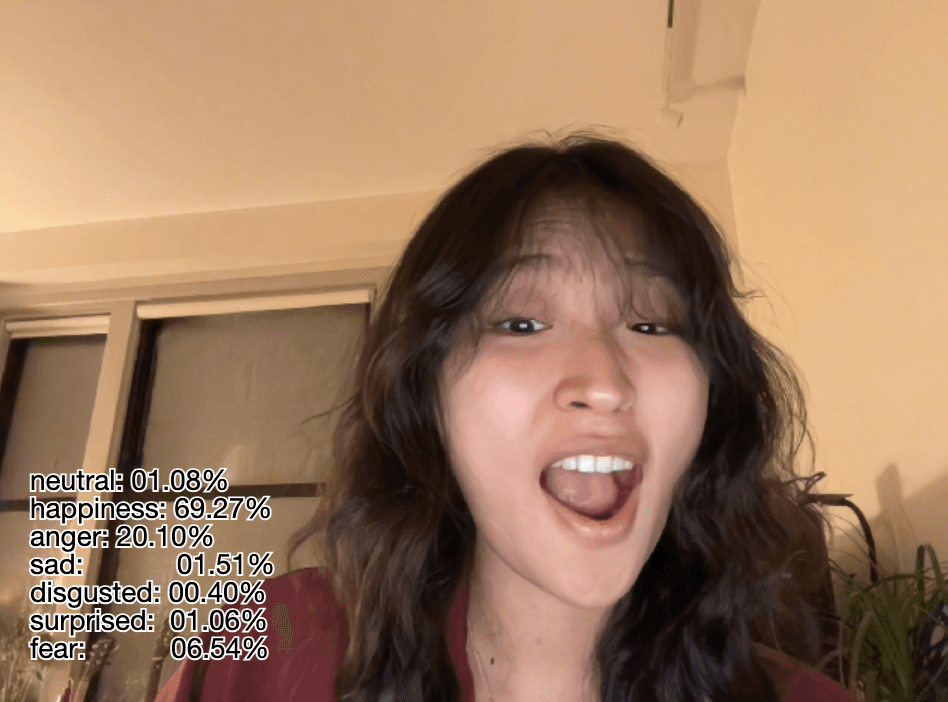
Frequently getting inaccurate classification
Definitely not a happy face..!
Clear effects application through event-based facial detection

9:41
Host
Empty

You’re here alone
Invite
Search friend’s name
A
B
Online
Away
Away
Online
Online
Adam Magie
Ava Gupta
Antonie Cargay
Benson Boon
Brian Park
Invite
Invite
Invite
Invite
Invite
Friends List
abc

Empty


00:03
Chat duration
Guest name shown up
Autoplay thumbnail
Captured screenshot
with delete option
Button extension interaction when ‘more‘ icon clicked
Guest and Host in chat
Archived screenshot images / recorded GIF in shared gallery
Unfold all of the hidden screenshots / recordings

#1 Iteration
#2 Iteration
Takeaways
Pivoting from Emotion-based face detection
to Event-based face detection
Redefining chat history from a data archive into a space for emotional recall
Emotion-based face detection relied on discrete emotion labels, but in practice these classifications were often inaccurate and unstable due to the continuous nature of facial expression changes. Recognizing that interaction breaks down at ambiguous emotional boundaries, I pivoted to an event-based face detection approach that responds to expression changes rather than fixed emotion types.
The initial approach relied on users to actively interpret dense visual data, which proved cognitively demanding and emotionally distant. By introducing visual emphasis and interactive cues, the redesign enables moments to resurface more naturally and intuitively.
My initial approach relied on an emotion-detection API to classify real-time facial expressions into seven discrete emotion categories. However, through implementation and testing, I found that these classifications were often inaccurate and overly rigid—facial keypoints alone struggled to reliably represent nuanced emotional states.
More importantly, emotions shift continuously rather than discretely. As expressions transition from one state to another, the problem was the boundaries between emotion categories become unstable and ambiguous.
By prioritizing visual density, the initial design assumed users would actively derive meaning from stacked data. However, this expectation introduced unnecessary cognitive effort and weakened the experience of recalling meaningful moments.
This iteration uses visual emphasis and autoplay as interaction cues, shifting chat history from passive browsing to active, emotionally driven engagement.
From a user’s perspective, the event-based facial detection model felt more intuitive and predictable. Because each visual effect was triggered by a clear, observable facial action such as opening the mouth beyond a certain threshold, users could easily understand why a specific effect appeared. This clarity reduced confusion during interaction and allowed users to focus on expressing themselves, rather than trying to interpret how the system was reading their emotions.
const BROW_THRESHOLD = 0.35;
// 35% eyebrow raise
const MOUTH_THRESHOLD = 0.15;
// 15% mouth opening
#1 Event - Surprise
#3 Event - Wink
#2 Event - Frown
#4 Event - Laugh
const CLOSED_THRESHOLD = 0.30;
// one eye below this = closed
const OPEN_THRESHOLD = 0.42;
// other eye above this = open
const FROWN_THRESHOLD = -0.20;
// downward mouth curve (negative = frown)
const EYE_SQUINT_MAX = 0.65;
// both eyes squinty
const SMILE_CURVE_MIN = 0.40;
// strong upward mouth curve
const MOUTH_OPEN_MIN = 0.20;
// mouth slightly open
const BROW_MAX = 0.18;
// brows not too high (filters surprise)
Design Iteration
Evaluating Interaction Choices
Through Emotional Experience
To validate key design decisions, I explored two major iterations across four factors related to emotional expression and recall. Using Figma prototypes, I compared interaction models through qualitative feedback sessions, focusing on clarity, responsiveness, and emotional engagement.
Emotion-based face detection
#1 Iteration - Facial Expression Detection Model
#2 Iteration - Chat History Design for Emotional Recall
Data-dense chat history
Event-based face dection
Emotion-forward chat history
A
C
B
D
Chat with Mindy
Duration 13:02

12/28



9:41
Chat with Mindy
Chat with Daniel
Chat with Clara
Chat with Shelly
Chat with Jinu
Chat History
Most recent
Duration 13:02
Duration 6:22
Duration 28:16
Duration 13:06
Duration 13:06
12/28
12/14
11/2
11/1
11/1








9:41
Chat with Mindy
Chat History
Duration 13:02
Most recent
Chat with Daniel
Duration 6:22
12/14
Chat with Clara
Duration 6:22
12/10


+3

00:15
00:04
9:41
Chat with Mindy
12/28
Chat History
Duration 13:02
Most recent
Chat with Daniel
Duration 6:22
12/14
Chat with Clara
Duration 6:22
12/10
+3
00:15
00:04
Initial Approach:
Emotion-based face detection
Pivoted Approach:
Event-based face detection
Initial Approach:
Chat history as a log
Pivoted Approach:
Chat history as emotional recall
When I first started thinking about playful chatting interactions, I was focused on finding something entirely new that would feel fun. But when I looked more closely at what people actually do in moments of fun and the habits we already have. I realized the answer was already there.
In this project, that behavior was the instinct to capture and save playful moments. People naturally take screenshots or try to record funny interactions. Through this process, I learned that meaningful UX doesn’t always come from inventing brand-new features, but from recognizing unconscious needs within existing behaviors and turning them into intentional design solutions.
ⓒ
2025 by Ellie Na